
 York Woodford-Smith | May 7, 2026
How video marketing works
If you are reading this guide on how video marketing works, you probably already know that your business needs video. It’s 2026, after all! But here’s the harsh reality: just having a nice-looking video isn’t enough anymore. There’s a massive difference between a video that simply looks pretty and a video that actually sells.
We’ve spent years as a leading video marketing agency figuring out exactly what makes a campaign tick. Recently, my team and I sat down to break down our exact process—the secret sauce we use for our clients. We’ve turned it into a straightforward 10-step blueprint.

Whether you are a marketing manager trying to generate leads, or a business owner looking to increase sales or boost recruitment, if you follow these 10 steps, you won’t just get a few nice comments; you’ll turn passive viewers into paying customers.
Step 1: The “Why” (Start with Your Objective)
This is where we always start. You would be amazed at how many people want a video just because they think it will “look cool.” Please, don’t make video for video’s sake!
Before you even pick up a camera or write a script, you need to understand the broader why for your company. There’s no point trying to increase sales with a slick promotional video if your operations team doesn’t have the capacity to deliver the product—you’ll just upset everybody!
Are you trying to boost recruitment?
Increase care home occupancy?
Sell more jumpers?
Define your objective right now, and make sure your video marketing goals align perfectly with the overall goals of the business.
Step 2: The Viewer (Who Are We Talking To?)
Once you know why you’re making the video, you need to know exactly who is watching it.
The tone of your video changes entirely depending on your audience. If you’re targeting a 20-year-old who spends half their day on Instagram or TikTok, you want fast, informal, vertical videos. If you are targeting a B2B budget holder or someone in their 60s looking for a care home for their mum, you probably want something slightly more polished, informative, and straight to the point, likely on LinkedIn or Facebook.
Get incredibly specific. Give your ideal customer a name, an age, and a job. I’ve even seen companies use cardboard cutouts of their ideal customer profiles and sit them in the office. (If you want to spend your marketing budget on cardboard cutouts) The more refined your audience is, the easier it is to talk directly to them.
Step 3: The Platform
Your viewer dictates your platform, and your platform dictates how we actually shoot the video.
Are we going on LinkedIn, Instagram, TikTok, YouTube, or good old-fashioned Facebook? (By the way, do not underestimate Facebook; for good or bad, it is an absolute sleeping giant for reaching the right demographics).
If we know a video is going on TikTok, we’ll frame it and shoot it vertically. If it’s going to be a 3-minute video for a website header, it needs to be widescreen, maybe it’s both. If you are posting on LinkedIn, a 4×5 ratio fills the screen best. If you don’t plan this upfront, you’ll end up with a beautifully shot widescreen video that looks awful when you try to awkwardly crop it for a phone screen. Plan where it lives so your video marketing agency can shoot it correctly the first time.
Step 4: The Topic (Time to Get Creative)
Now you’ve got the foundation built, it’s time for the fun bit: generating the creative idea.
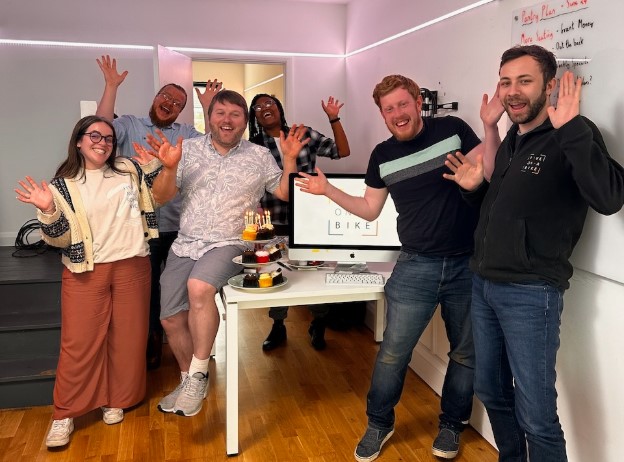
Brainstorming sounds intense, but it really isn’t. For one of our recent campaigns, we literally went to the pub across the road, bought Ben a birthday Guinness, called Jack in on the laptop, and just threw ideas around until something stuck.
Focus on your USP. What makes you unique? You don’t always have to break incredible new ground with crazy, off-the-wall concepts. Sometimes the most effective content is just showcasing the genuine, amazing work you do every day. If you’re stuck, change your environment. Go for a walk, sit in a coffee shop, or jump on Instagram for ten minutes and see what trends are happening in your industry.
Step 5: The Hook (Grab Them Fast)
We could talk about hooks all day. A hook is the reason someone finishes watching your video instead of scrolling past it.
On platforms like YouTube or social media feeds, you have about three to six seconds to grab someone before they hit that “Skip Ad” button or keep scrolling. You can use whizzy graphics, ask a massive question, or do something totally unexpected.
I saw an ad for a phone case recently where the guy started by saying, “I just bought the new iPhone 17 Pro Max…” and immediately threw it off a building. It made me stop and watch! I’ve also seen hooks where someone throws a croissant in the air and it freezes above their head while they start talking. You don’t have to throw expensive electronics off a roof, but you do need an eye-catching start. Never start your video with just a slow fade-in of your logo. Start with the absolute best bit!
Step 6: The Plan (Execution is Everything)
An idea without a good plan is just an idea. I’ve probably had more ideas for video campaigns than I’ve had hot dinners, but unless you actually map out the execution, they mean absolutely nothing.
You don’t need an 80-page detailed document. Just map out the key dates: When are we filming? When are we editing? When is it going live? Are there any events or product acquisitions we are launching around that might clash? Making a solid plan ensures you don’t get to the edit suite and realize, “Ah, we really should have filmed that one specific shot.”
Step 7: Bulk (Squeeze Every Penny out of Shoot Day)
This step is an absolute game-changer. High-quality video isn’t cheap, so you need to get the absolute most out of it.
If you’ve hired a video marketing agency for a shoot day, don’t just ask them for one video. Plan ahead so you can bulk-shoot and get 10, 20, or even 40 pieces of content out of a single session!
It doesn’t all have to be heavily polished. Grab some behind-the-scenes clips. Record a quick selfie video (I don’t personally love walking around with a phone in my face, but I do it because it’s valuable and easy!). Capture 5 seconds of B-roll—like a lightly steaming cup of coffee or someone doing latte art—that you can use as a subtly moving background for a text post later. Build a massive library of clips so you aren’t scrambling for content on a random Monday morning.
Step 8: Distribution (Tricking the Algorithm)
You can have the greatest, most expensive video in the world, but if nobody sees it, it won’t generate you a single penny.
Distribution is about getting it out there and maximizing your reach. Here is a massive tip: on platforms like LinkedIn, the first hour of engagement is critical to trick the algorithm into thinking your post is popular. When you post a high-effort video, get your staff to support it. Look them in the white of the eyes and say, “Please give this a like and a comment.” (And remind them that a LinkedIn comment needs to be more than four words to really count!). As a general rule: if your video gets fewer likes than your company has staff, you need to give your team a gentle nudge!
Oh, and upload EVERYTHING to YouTube. Google owns YouTube, and its AI is constantly transcribing and indexing your videos. A simple educational video on YouTube can do absolute wonders for your Google search rankings.
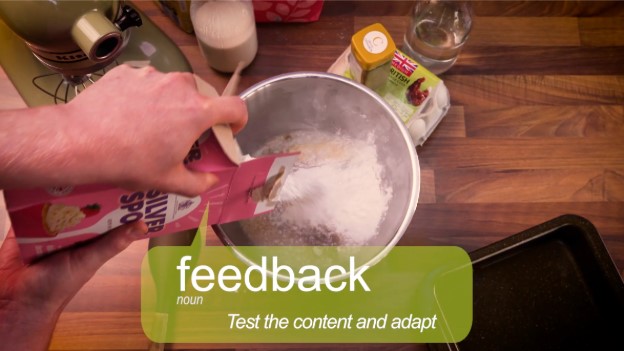
Step 9: Feedback (Test, Learn, Adapt)
There are two distinct types of feedback you need to master.
First, production feedback. If you are working with an agency, please get the senior decision-makers involved early. We’ve seen it a hundred times: the marketing manager loves the video, it’s perfectly polished, and then the MD sees it at the very end and says, “Nope, completely restart.” Save yourself the headache and get them on board pre filming.
Second, data feedback. Once the video is live, look at the metrics. Which videos had the best view rates? Which ones got people to take action? Use that data to figure out what works and apply it to your next campaign.
Step 10: Call to Action (Tell Them What to Do)
We’ve reached the final step! You have their attention, they’ve watched your amazing video… now what?
Don’t leave them hanging. You need a clear Call to Action (CTA). Depending on where they are in your marketing funnel, your CTA might be a direct “Buy Now,” a simple “Book a Visit,” or a softer “Learn More.” If you don’t tell the viewer what to do next, they won’t do anything.
And here is a crucial point that so many people forget: if your video works brilliantly and points people to your website, make sure your website doesn’t look like a relic from ten years ago! The video is the cherry on the cake, but if the cake tastes like rubbish, the cherry won’t save it. Ensure your whole sales funnel is tight, modern, and ready to convert.
If your whole marketing needs an upgrade, learn about our packages here.
Wrapping Up
So there you have it—our complete 10-step blueprint to creating video that actually sells. It takes a bit of planning and a lot of follow-through, but when you connect all these dots, video will have a fundamental impact on your business.
If you want a bit of help putting this all into practice, we do offer a one off Video Strategy for £500, you get a one-to-one session with me, input from my wider creative team, and we will build a bespoke video marketing strategy tailored entirely to your next campaign. (See what I did there? That’s a textbook Call to Action!). You can drop me a message directly to get that booked in.
Right, that’s enough from me. I’m off to sweep and mop the studio floor—the true glamour of video production. Speak to you soon!
York Woodford-Smith MD, Five on a Bike
If you would like to check out our work you can do it here on our YouTube Channel